


mRNA Differential Display PCR is a laboratory technique which is used to compare and identify changes in gene expression at the mRNA level between two or more eukaryotic cell and tissue samples. In this assay, mRNA formed after transcription, which is further tranlated to the respective protein is reverse transcribed using a set of 3' "anchored oligopolydeoxythymidine primers" to generate cDNA library for each sample. cDNA fragment is further amplified using arbitrary 3' primers and anchored 3' primers (same as used for RT). The amplication products are subjected to electrophoresis.
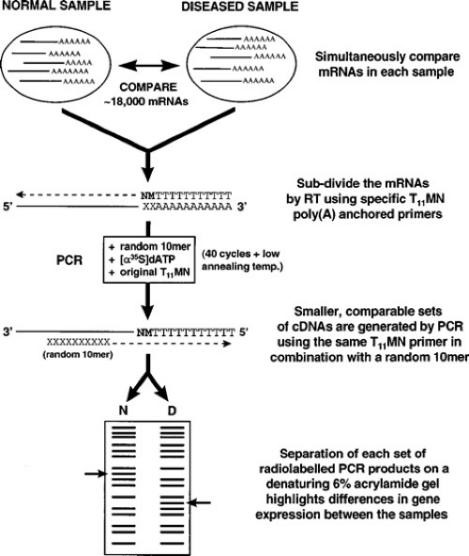 Fig. 1 Experimental procedures of mRNA Differential Display PCR
- Extraction of total RNA
- Removal of DNA from total RNA
- Design of primers
- Reverse transcription of mRNA
- Selective PCR amplification of cDNA
- Gel Electrophoresis of PCR amplication products
- Gene sequencing
- Allow for the rapid and sensitive survey of gene expression using small amounts of mRNA.
- Allow for the simultaneous analysis of multiple samples.
- Able to identify the differential expression of genes with extremely low expression using PCR amplication technology.
- Able to visualize all the expressed genes in a eukaryotic cell in a systematic and sequence-dependent manner by using multiple primer combinations.
Thanks to its simplicity, sensitivity and reproducibility, the mRNA Differential Display PCR is widely used in developmental biology, cancer research, neuroscience, pathology, endocrinology, plant physiology, and many other fields.
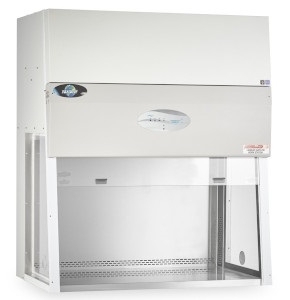
Laminar Flow Hoods
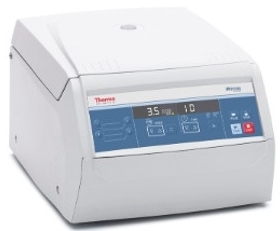
Benchtop Centrifuges
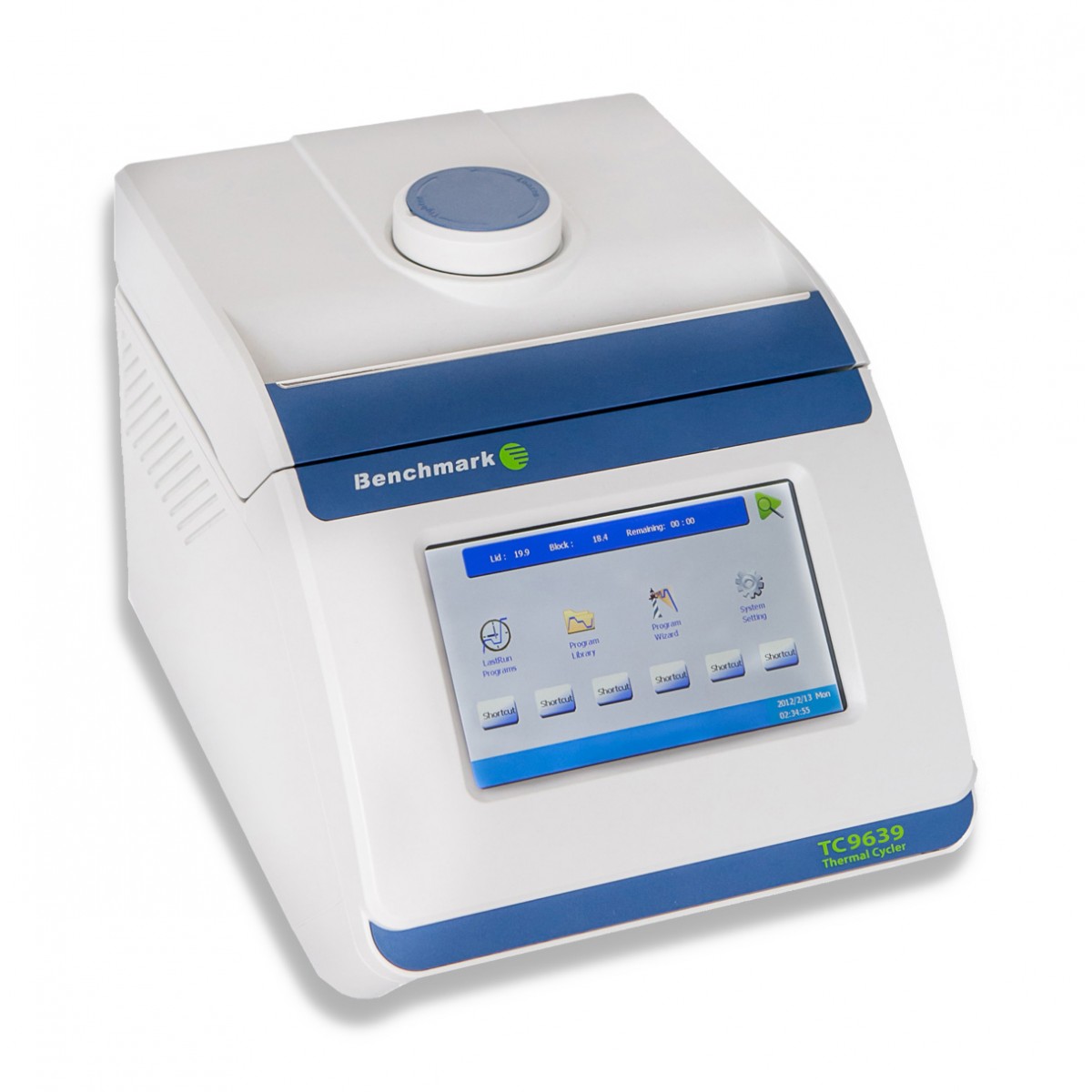
Thermal Cycler
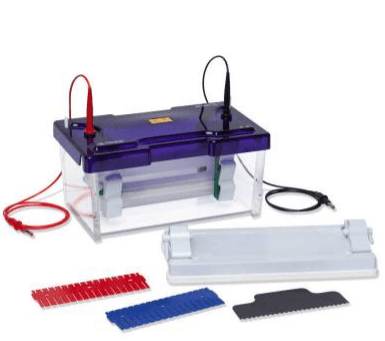
Electrophoresis Systems
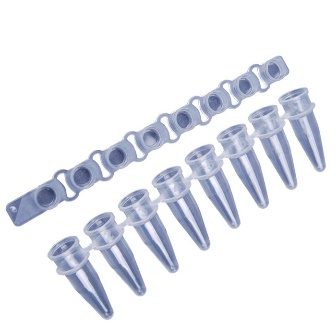
PCR Consumables
STEMart offers complete instruments and equipments used in mRNA Differential Display PCR to facilitate your research. If you want to learn more detail about the related devices, or would like to consult with the experts at STEMart, please feel free to contact us.
Reference
- Adam, Paul J. . "The Use of Differential mRNA Display (DDRT-PCR) to Identify Genes Differentially Expressed in Normal and Diseased Vascular Cells." Methods in Molecular Medicine 30(1999):99-110.